March 18, 2025
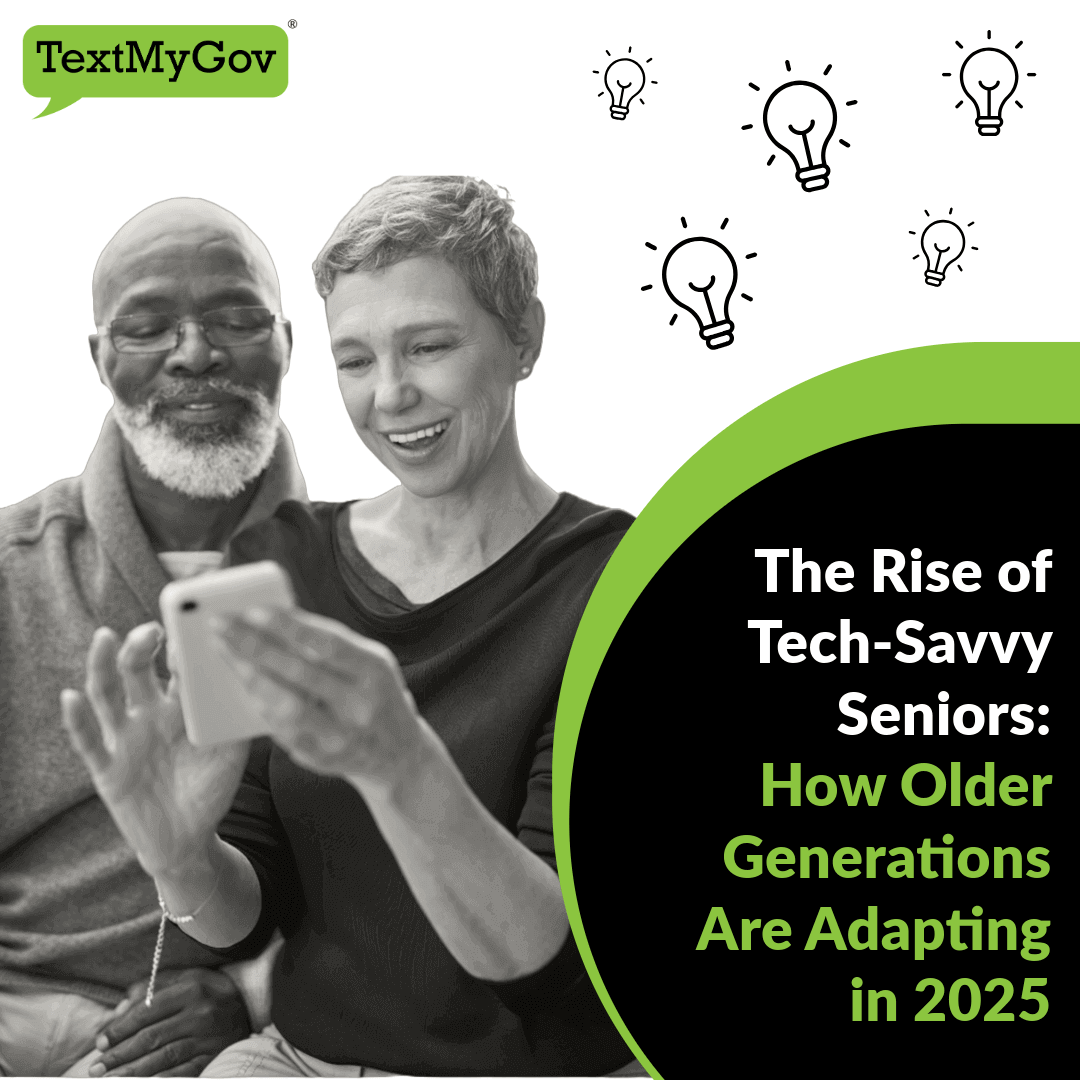
The Rise of Tech-Savvy Seniors: How Older Generations Are Adapting in 2025
Older adults are increasingly embracing technology in 2025, using smartphones and digital tools to stay connected, manage daily tasks, maintain independence, and interact more easily with government and healthcare services.

Seniors and Technology Today
Seniors and Technology Today
In 2025, technology plays an essential role in nearly every aspect of daily life, from self-checkout at grocery stores to navigation while driving and checking in at doctor’s appointments. Senior citizens are commonly thought to have difficulties adopting technology into their lives, but this is an incorrect and outdated assumption.
In 2014, only 50% of people aged 50+ owned a smart phone. Now, cellphone usage among older adults has grown to become nearly ubiquitous. There is a unfortunate stereotype that the older generation is unable to adapt to technological changes, but this is simply untrue. In fact, the older generations are extremely avid internet users. A survey from 2017 revealed that 76% of smartphone-owning older adults use the internet several times a day or more, with 8% saying they use the internet almost constantly. Whether they are using the internet, making calls, or sending texts, an updated report from 2024 confirms that 98% of adults 50+ use their smartphone every single day.
A major factor driving technology adoption among seniors is the tangible benefits it offers in daily life. Many older adults use technology to manage health and maintain independence without requiring them to travel outside their homes. Health tracking applications and the ability to text and call loved ones at any time fill physiological needs in a safe, independent manner. Four in five adults 50+ (82%) rely on technology to stay connected with family and friends. As health issues often limit mobility, technology provides a safe and convenient way to meet personal and physiological needs.
Government Texts
TextMyGov provides one more way that older generations can utilize a valuable tool without leaving the comfort of their homes. These services can be accessed from a mobile phone, a smartphone, or any device that can text! Already, 95% of adults over 50+ use their smartphone to send instant messages, texts or emails. Through this easy-to-use platform, older adults can apply for permits, pay bills, request services, and stay informed about local events and emergencies, all via simple text messages. This service minimizes the need for travel or long hold times on calls, making it easier to navigate local government processes.
Capable, Not Incapable
TextMyGov primarily uses texting to communicate, which can be more effective than phone calls for those with hearing impairments. If declining dexterity becomes an issue and texting is more challenging, most smartphones have a voice-to-text feature that allows people to speak their message instead of typing it. For those who struggle with presbyopia, or vision loss, there are ways to increase text size so messages can still be easily read. Follow the tutorials below to make your smartphone more personalized to you.
Texting is for ALL
It’s important not to underestimate seniors' ability or willingness to use technology. This stereotype contributes to a lack of confidence, preventing older adults from fully embracing the tools that can enhance their lives. The reality is that seniors are actively adapting to technology and seeking ways to streamline daily tasks, freeing up more time for the things and people they love.

Meet the Author
Emma Conway is a Marketing Communications Manager with TextMyGov. She is a graduate of the University of Utah and has been writing for TextMyGov since 2024. Emma loves hiking and birdwatching in the nearby mountains.