August 20, 2026
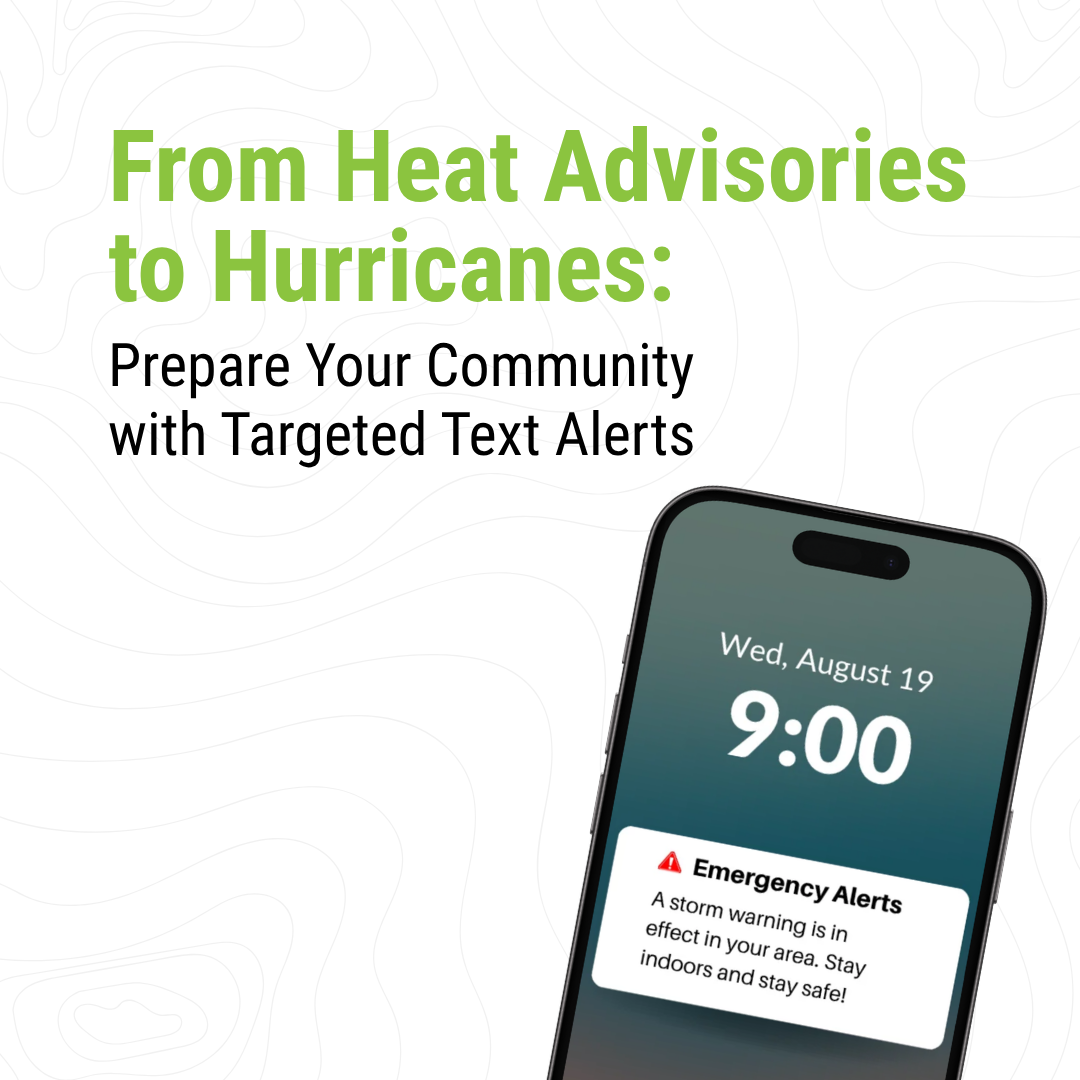
From Heat Advisories to Hurricanes: Prepare Your Community with Targeted Text Alerts
Learn how proactive, targeted communication can improve emergency preparedness, reduce confusion, and strengthen community trust.
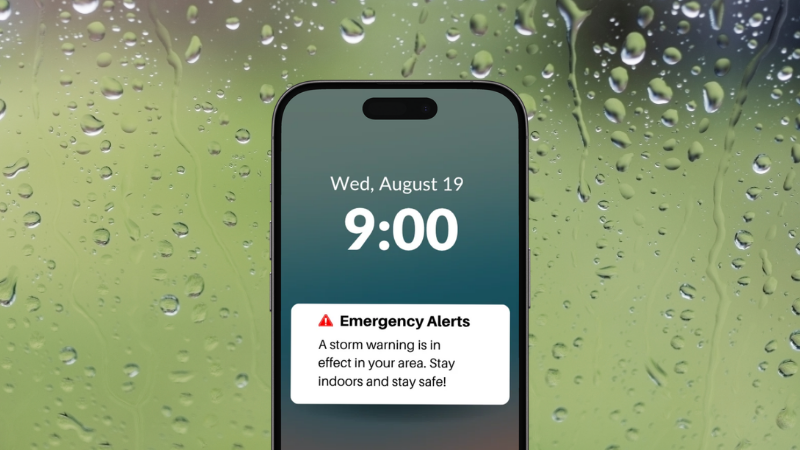
When severe weather threatens a community, residents don’t wait for the next news broadcast or city council meeting. They expect immediate updates. Whether it's a heat advisory, wildfire, hurricane, flood, or severe storm, people expect timely information to make informed decisions and stay safe. For local governments, this creates the significant challenge of communicating quickly, accurately, and consistently while managing an evolving emergency.
The communities that navigate severe weather most effectively often have one thing in common: a proactive communication strategy that keeps residents informed before, during, and after the event.
This article illustrates how municipalities can strengthen emergency management communications and build public trust when it matters most.
Before the Storm: Build the Foundation
Trust isn’t built during an emergency; it’s tested. Emergency communication shouldn’t begin when the weather worsens. The most effective responses start well before a weather event is forecasted.
Local governments can use TextMyGov to encourage residents to sign up for emergency alert messaging, share seasonal preparedness checklists, and promote safety resources throughout the year. Whether it’s reminding homeowners about flood-prone areas, providing information on emergency kits, or educating residents on evacuation routes, proactive outreach helps build a community that is ready before a crisis develops.
Residents who regularly receive updates from their local government are more likely to know where to turn for information during a crisis. Establishing reliable communication channels before severe weather occurs helps communities respond faster, which reduces confusion and increases confidence in local leadership.
During the Event: Deliver Timely, Relevant Updates
Once severe weather begins, residents need fast, accurate updates that are easy to understand. Text alerts allow local governments to communicate critical information in real time, including but not limited to:
- Road closures and traffic impacts
- Shelter locations and availability
- Evacuation notices
- Utility outages
- Emergency safety instructions
- Changes to local government operations
Unlike social media posts that can be missed or delayed by platform algorithms, text messages are delivered directly to residents, helping ensure critical information reaches people when they need it most. On social media platforms, only a small fraction of followers will see a post naturally; usually between 2% and 10%. With text messages boasting open rates as high as 98%, municipalities can feel confident that urgent notices are more likely to be seen quickly during rapidly changing situations.
Targeted communication is especially valuable during severe weather events. By sending alerts based on ZIP code or geographic area, municipalities can notify only the residents who are affected by an emergency. Whether responding to a flood, wildfire, or power outage, targeted alerts deliver relevant information to the right people without fatiguing others with unnecessary notifications.
TextMyGov Weather Alerts enhances this approach by automatically delivering National Weather Service (NWS) warnings and advisories directly to impacted residents. These text alerts being sent directly from the official source helps specific communities stay informed without requiring staff to manually send notifications, saving valuable time during emergencies.
Here are two examples of how alerts for severe weather can fall short when messages are not delivered to the right people at the right time:
Example 1: Rocky Canyon Fire
Recent events highlight the importance of accurate, geographically targeted emergency notifications. During the Rocky Canyon Fire in Summit County, an urgent Wireless Emergency Alert tied to an evacuation order was delivered to mobile phones well beyond the intended evacuation area, causing confusion among residents across northern Utah and parts of Wyoming. While the message was intended for only 107 residents near Henefer, Utah, it reached many people in Salt Lake Valley and beyond.
Example 2: Canyon Road Fire
During the Canyon Road Fire in Logan, Utah, some residents who had signed up for emergency notifications received evacuation alerts while others in the same area did not. City officials called the communication breakdown unacceptable and launched an investigation into why the alerts failed to reach everyone who needed them.
Incidents like these highlight the importance of precise and reliable emergency alert systems that can consistently deliver critical information when lives and property are at risk. When agencies can rely on accurate targeting and dependable delivery, residents are better prepared to take action and trust their source of information.
After the Incident: Support Recovery & Maintain Trust
Communication remains essential even after the immediate threat has passed. Residents often need guidance on recovery resources, debris collection schedules, utility restoration updates, and available assistance programs. Providing timely information helps communities recover more efficiently while reassuring residents that local leaders remain engaged throughout the process.
Post-event messaging can also direct residents to damage reporting tools, public meetings, and resources for financial or emergency assistance.
Build a Stronger Community
Severe weather events are unpredictable, but communication shouldn’t be.
Communities that communicate consistently before, during, and after emergencies build stronger relationships with residents and foster greater trust. When people know where to turn for reliable information, they are more likely to act and follow guidance during critical situations.
By implementing text messaging into their emergency communication strategy, local governments can improve preparedness, keep residents informed, and support recovery efforts, helping create safer, more resilient communities.
How TextMyGov Can Help
TextMyGov provides local governments with powerful communication tools that make emergency outreach simple and effective. From mass weather alerts and emergency notifications to two-way resident engagement, municipalities can quickly share critical information with affected residents before, during, and after severe weather events.
When emergencies happen, every message matters. A reliable text communication strategy helps ensure the right residents receive the right information at the right time, helping communities stay prepared, informed, and connected.
Don’t wait until severe weather is in the forecast, see how TextMyGov can help you protect your community today!

Meet the Author
Kaitlin Cox is a Marketing Specialist at TextMyGov. She graduated from Utah State University with degrees in Marketing and Kinesiology. Kaitlin enjoys being active and is driven by curiosity.