June 18, 2026
Scam or Uncle Sam?
An Anti-Scam Playbook for Residents
Learn how to distinguish between scam messages and legitimate government communications like TextMyGov by highlighting warning signs, building awareness, and promoting safe habits.
Scam or Government Program?
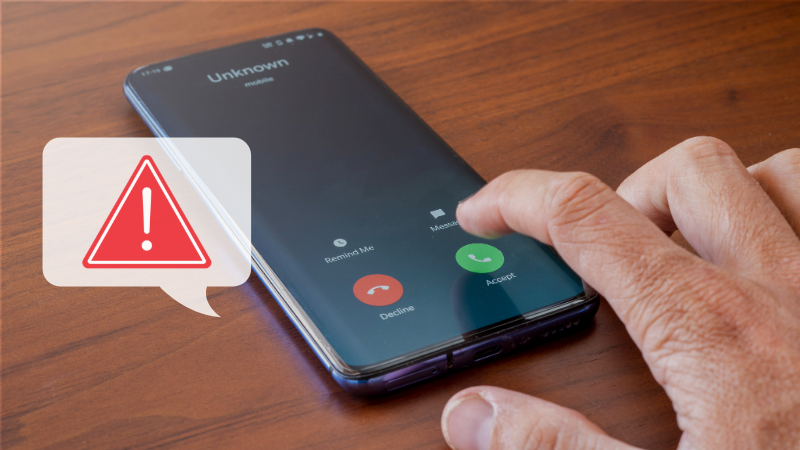
Your smartphone is lying face up on the desk in front of you as you try to focus on your work. It buzzes, and before you know what you are doing, you have already picked it up to check the notification, curious to see how your friend responded to the meme you sent. But this time it is not a satisfying reaction. It is a message from an unknown short code telling you that your extended car warranty is about to expire. You feel a mix of disappointment and annoyance as you instantly recognize it as a scam text message. How do you know? Because you do not even have a car.
Now imagine you did have a car and knew your extended warranty was about to expire. How would you tell the difference between a scam and a legitimate message with important information?
In 2025, the Federal Trade Commission reported that US residents lost a staggering $3.5 billion to imposter scams, three times higher than in 2020. As technologies like artificial intelligence continue to develop, text message scams are becoming easier to distribute and more targeted. It is more important than ever to be able to tell the difference between legitimate communication and a scam in all your inboxes, especially with the rise of SMS phishing.
Is TextMyGov Legitimate?
Yes. TextMyGov is a legitimate service that allows local government officials to communicate with residents via text, email, and phone calls. These types of government text messages are part of a broader approach to government messaging, helping agencies share updates quickly and clearly. Every message sent through TextMyGov comes from an authorized municipal agency, making it an official local government notice and part of a trusted SMS alert service.
How to Tell if a Text Is a Scam
There are no known cases of scammers impersonating TextMyGov, but scammers often impersonate government agencies through government scams such as fake IRS scam texts or even social security scams to collect money or personal information.
Municipalities that partner with TextMyGov typically only send information that is important or time-sensitive, such as public safety messages or emergency alert texts. Messages that feel irrelevant, overly frequent, or unclear about the sender should be approached with caution.
Here are a few things to look for when trying to determine whether a local government message is legitimate:
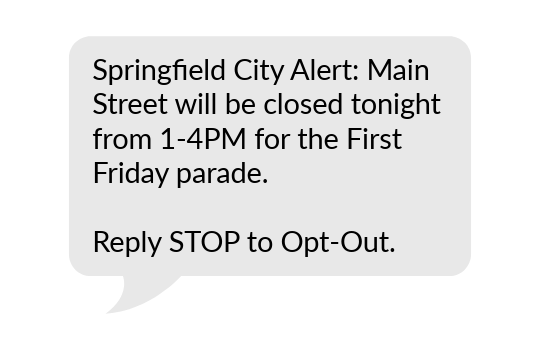
1. Does the message include a specific government agency name?
All TextMyGov messages are required to include the name of the agency. Abbreviations may be used, especially for longer names. All TextMyGov messages sent through a 5 digit number will include "Reply STOP to Opt-Out".
2. Is the message asking for personal information or creating urgency?
TextMyGov users do not request personal information through text. Scammers often try to pressure you with urgent language like “immediately” or “as soon as possible.” Avoid sharing personal information with unverified sources and pay special attention to messages creating a sense of panic or urgency.
3. Are there typos or unusual wording?
Municipal agencies are professional organizations. Messages with spelling errors, slang, or incorrect details should be verified before you interact with them.
4. Can you verify the source?
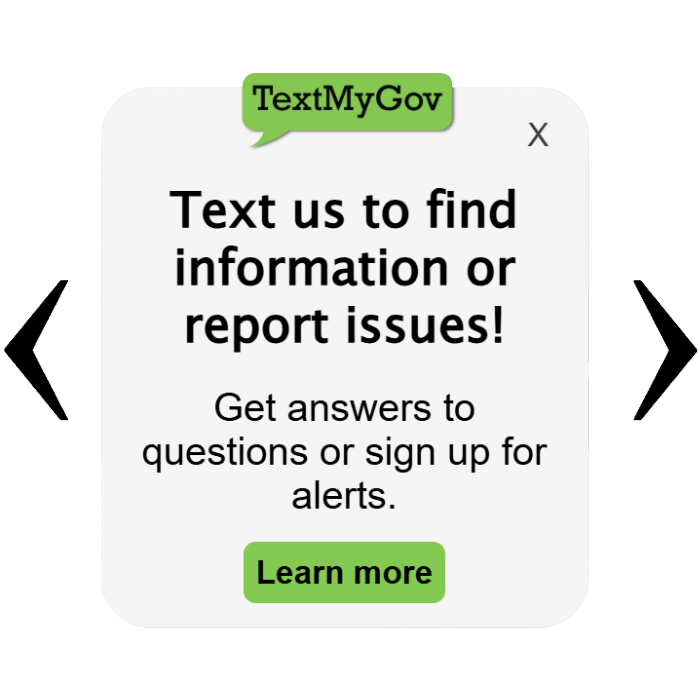
Every TextMyGov client is required to publish a press release and include information about the service on their official website or social media pages. Many agencies also place a green or white TextMyGov widget on their website to help residents learn more. If you cannot find this information, call the agency directly to confirm.
How to Avoid Scammers
Building good habits around your phone can make a real difference. Start by being cautious with unexpected texts or calls, especially those that ask you to click a link or share information. If something feels off, take a moment to verify it through an official website or trusted phone number. You can also reduce unwanted contact by registering your number with the National Do Not Call Registry.
This free service helps prevent legitimate telemarketers from contacting you, and some states offer their own registries for additional protection. If you receive a suspicious message or call, take the time to report scam text messages to the Federal Communications Commission to help identify patterns and prevent scammers from reaching others.
Scams are evolving quickly, but the tools and habits that help you stay safe are evolving too. When you understand what legitimate communication looks like, feel confident recognizing services like TextMyGov, and stay aware of common warning signs, you are much better equipped to protect yourself. A little awareness can help you figure out if unprompted government messages are spam or really from Uncle Sam.

Meet the Author
Emma Conway is a Marketing Communications Manager with TextMyGov. She is a graduate of the University of Utah and has been writing for TextMyGov since 2024. Emma loves hiking and birdwatching in the nearby mountains.