February 17, 2026
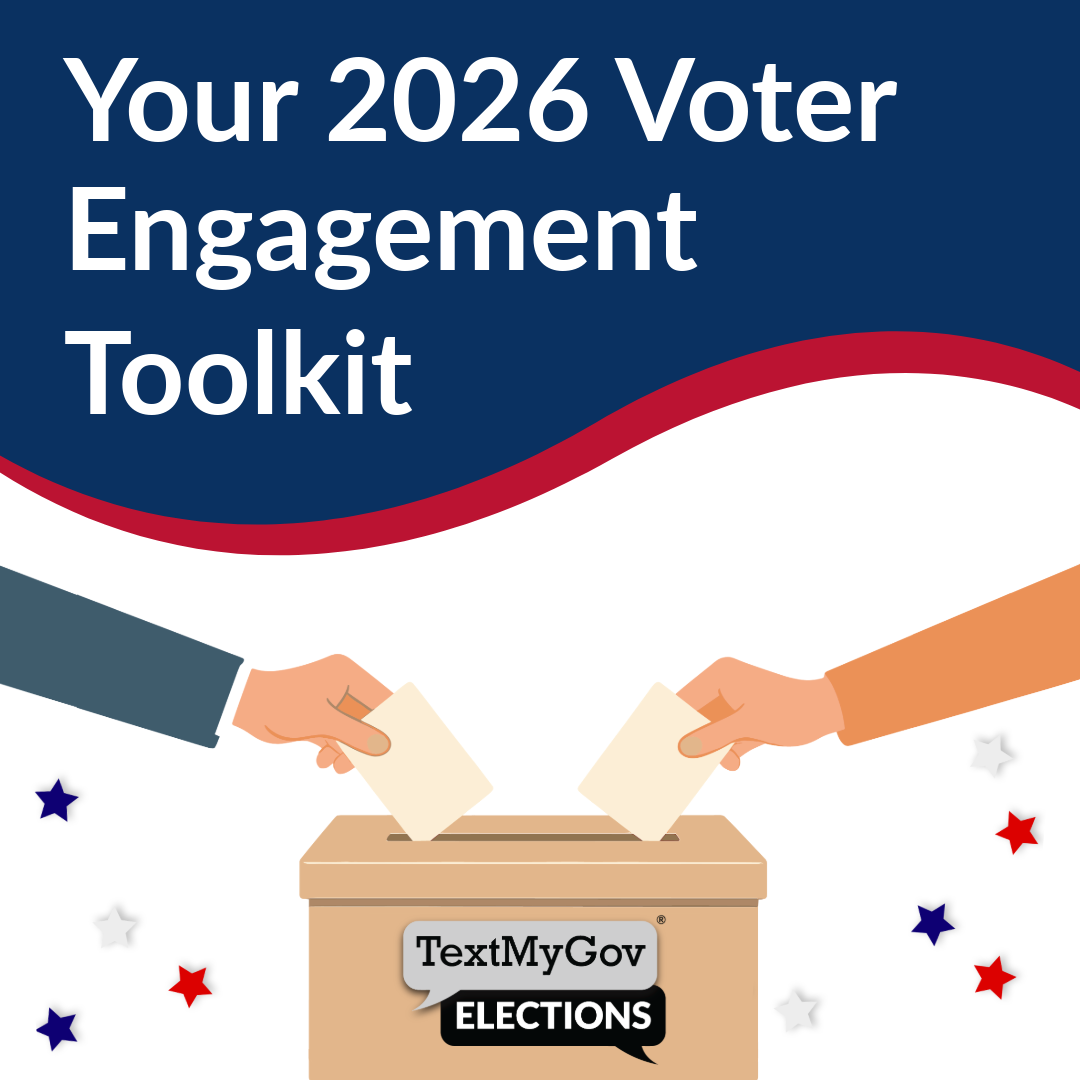
Your 2026 Voter
Engagement Toolkit
Prepare your organization to handle the increased voter turnout expected in the 2026 election season.

Since 2018, midterm election voter turnout has jumped by nearly 10%, the highest levels the U.S. has seen since 1970. With the vital 2026 midterms approaching, counties have a responsibility to ensure all voters are informed, prepared, and empowered to participate.
This year’s ballot is extensive. All 435 U.S. House seats, 35 U.S. Senate seats, and 39 gubernatorial elections will be decided on November 3, 2026. Since the dates of midterm elections vary, many states are already working through a long and complex primary schedule stretching from March through September.
The combination of increased voter participation and the sheer amount of federal, state, and local elections makes 2026 one of the busiest election years counties have managed in decades.
The Complexity of the 2026 Election Calendar
Every state has its own filing deadlines, voter registration rules, and primary dates, many of which fall months before the general election. Some states even have special elections interwoven into the 2026 cycle, adding even more complexity for voters trying to track what applies to them.
This patchwork of processes often leads to confusion, missed deadlines, and potentially decreased participation. These problems do not have to be roadblocks for counties. These common issues can be solved through proactive, accessible communication from election officials to voters.
Counties Need Simpler Communication Tools
The methods counties have relied on for decades simply are not enough in 2026. Website updates, mailers, posted announcements, and hotlines are useful resources, but are only reaching proactive voters who seek out specific election information. The average citizen in 2026 expects information to be delivered to them in the simplest possible format, text messaging.
A Text From the Government Can:
- Combat misinformation by providing direct, official updates
- Deliver reminders instantly
- Minimize staff workload
- Provide accurate information 24/7
- Reach residents regardless of internet access
- Manage poll worker scheduling and communication
TextMyGov’s mass text messaging software capitalizes on the communication channel that residents already rely on every day by allowing officials to text voters directly.
Counties can push text updates to voters’ phones, such as:
- Registration deadlines
- Early voting periods
- Mail‑in ballot cutoff dates
- Polling location updates
- Midterm election results
On top of pushing out important information, TextMyGov allows citizens to ask common questions like “What do you vote for in midterm elections?” and “Where to find election results?” These questions can be instantly answered with thorough, automated responses created by election officials. Instead of asking a question, voters can also text simple keywords to instantly receive 24/7 responses.
Example Keywords:
“REGISTER” for registration information
“BALLOT” for ballot details
“POLLING” for polling locations
“ELECTION” to find election information
Time previously spent handling hundreds of repetitive inquiries can now be spent managing early voting, processing ballots, and ensuring smooth election operations.
Texting requires no internet, no app, and no tech skills. Texting also boasts a verified 98% open rate. Imagine sending a message to 10,000 people and feeling confident that 9,800 opened and read your notice.
Counties that adopt modern communication platforms now will be better positioned to:
- Increase voter confidence
- Reduce confusion
- Boost turnout
- Improve overall election administration
With so much at stake in 2026, voter interest is expected to be strong and misinformation risks will be high. Clear, timely, official communication is not optional. It is essential.
Will your community be ready? Will your voters be informed?

Meet the Author
Emma Conway is a Marketing Communications Manager with TextMyGov. She is a graduate of the University of Utah and has been writing for TextMyGov since 2024. Emma loves hiking and birdwatching in the nearby mountains.